

The China video game industry has become one of the most influential forces in global entertainment, setting benchmarks for monetization, live-service design, and community-driven growth. With hundreds of millions of players and deeply integrated social ecosystems, China is no longer just a growth market it is a global trendsetter. As outlined by Asia Game Buzz’s China gaming market insights, the country’s ecosystem tightly connects platforms, creators, and communities into a single growth engine.
Based on Asia Game Buzz’s direct experience working with international game publishers, success in China requires far more than localization or media buying. Gamer behavior, regulation, and monetization systems differ fundamentally from Western markets. Drawing from in-depth China game industry insights, this article examines market size, popular games, player preferences, key trends, and effective entry strategies for foreign publishers.
Size of the Video Game Industry in China
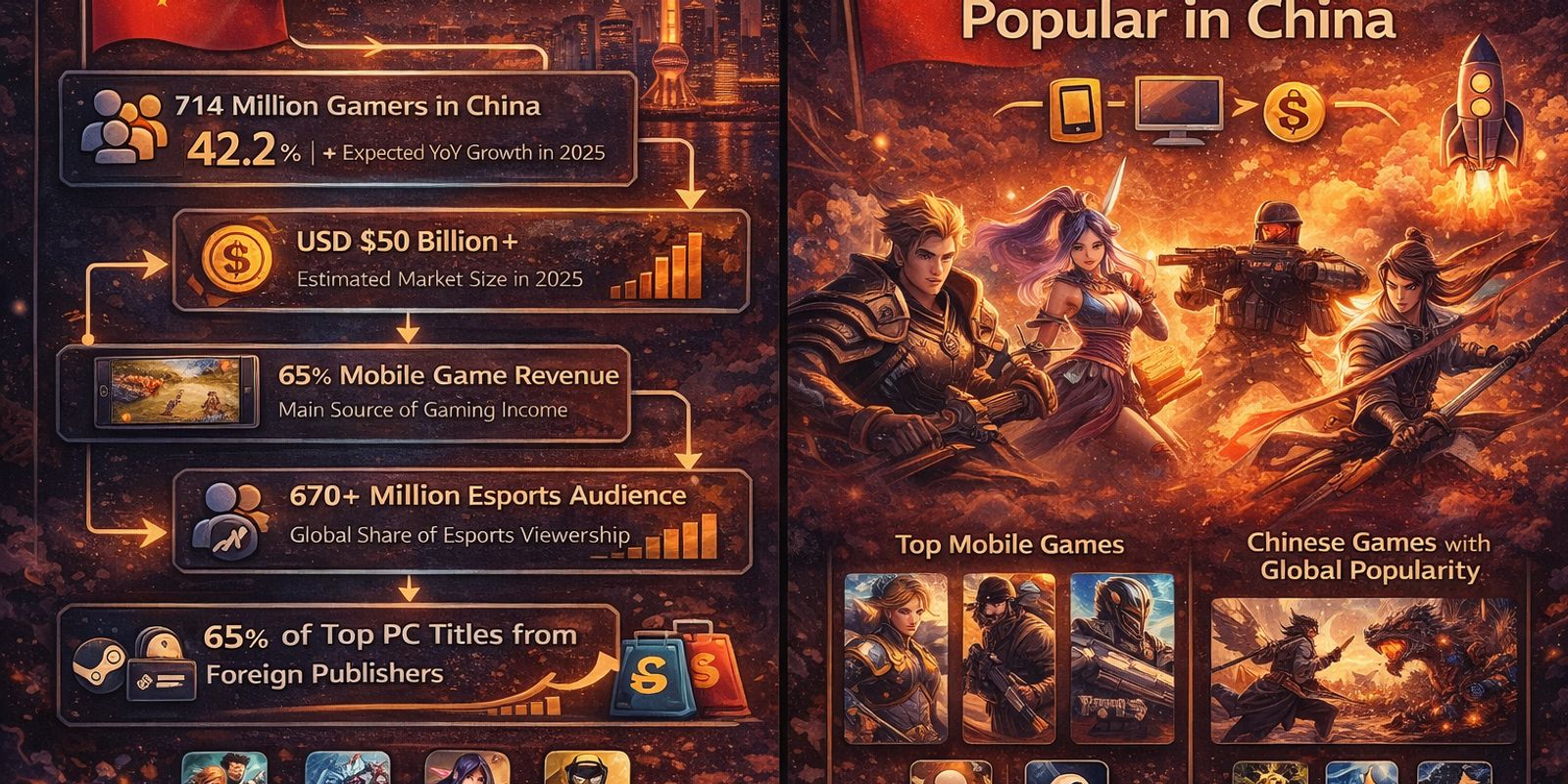
China remains the world’s largest gaming market by player base, with roughly 670 million gamers across mobile, PC, and console platforms. Revenue growth continues to be driven by mobile-first adoption and live-service design, trends explored in the comprehensive guide to marketing PC games in China published by Asia Game Buzz.
In 2025, the China video game industry entered a more stable regulatory phase, with licensing approvals rebounding to their highest level since 2018. These shifts align with findings from China gaming trends and strategic market forecasts, which show increasing predictability for both domestic and foreign publishers planning long-term market entry.
Why China Is the World’s Largest Gaming Market
China’s dominance is driven by mobile-first behavior, mainstream acceptance of gaming, and tightly integrated ecosystems that combine livestreaming, esports, and social interaction. These dynamics are examined in Asia Game Buzz’s analysis of emerging game trends shaping the Chinese market.
Together, these factors make gaming a cultural norm rather than a niche hobby. Differences in player psychology and engagement are further explained in how Chinese PC gamers differ from Western players, highlighting why Western strategies often fail without adaptation.
Most Popular Games in China
Top Mobile Games in China
Mobile games generate the majority of gaming revenue in China, with competitive and socially driven titles dominating app store rankings. Best practices for entering this segment are outlined in the practical guide to promoting PC and mobile games in China, which emphasizes early visibility and sustained engagement.
These games succeed by blending short-session accessibility with long-term progression an approach amplified through livestream-driven discovery. Platforms such as Huya and Douyu play a major role in this process, as explained in how livestreaming platforms boost game wishlists in China.
Most Played PC & Console Games
PC gaming remains influential in esports-driven genres such as MOBAs and tactical shooters. Visibility in these categories is often driven by creators and professional competition, making powerful KOL strategies for game visibility a critical success factor.
Console gaming, while smaller, continues to grow steadily as hardware access improves and younger audiences engage with global IPs. This gradual shift reflects broader ecosystem maturation discussed across Asia Game Buzz’s China gaming industry research hub.
Chinese Games with Global Popularity
Chinese developers have successfully launched globally competitive live-service titles, proving that domestic studios can export world-class IPs. This success mirrors strategies discussed in indie and global game marketing case studies, where retention and monetization design are central to long-term growth.
Video Games Chinese Gamers Prefer
Mobile-First Gaming Culture
Mobile gaming dominates because it fits seamlessly into daily routines, commuting, and social interaction. According to Asia Game Buzz’s China gaming behavior insights, mobile titles are often the primary gaming platform rather than a secondary option.
Competitive & Social Gaming Trends
Competition and community drive retention in China’s gaming ecosystem. Ranked modes, guilds, and social features are reinforced by creator content and discussion platforms such as Heybox, China’s leading gaming social network, which plays a key role in player discovery and engagement.
Monetization Models in China
Free-to-play dominates the market, with monetization centered on cosmetics, battle passes, and time-limited events. These models are frequently analyzed in China video game industry insights, where value perception and social status are critical conversion drivers.
Key Trends Shaping the China Video Game Industry in 2025
Regulatory Landscape & Game Approvals
China’s regulatory environment has matured significantly following earlier licensing freezes. Approval volumes and compliance patterns align closely with insights from China gaming trends and policy analysis, which show increasing transparency under current frameworks.
Minor protection policies remain a regulatory priority, requiring publishers to design systems aligned with local compliance standards while maintaining engagement.
Esports Growth in China
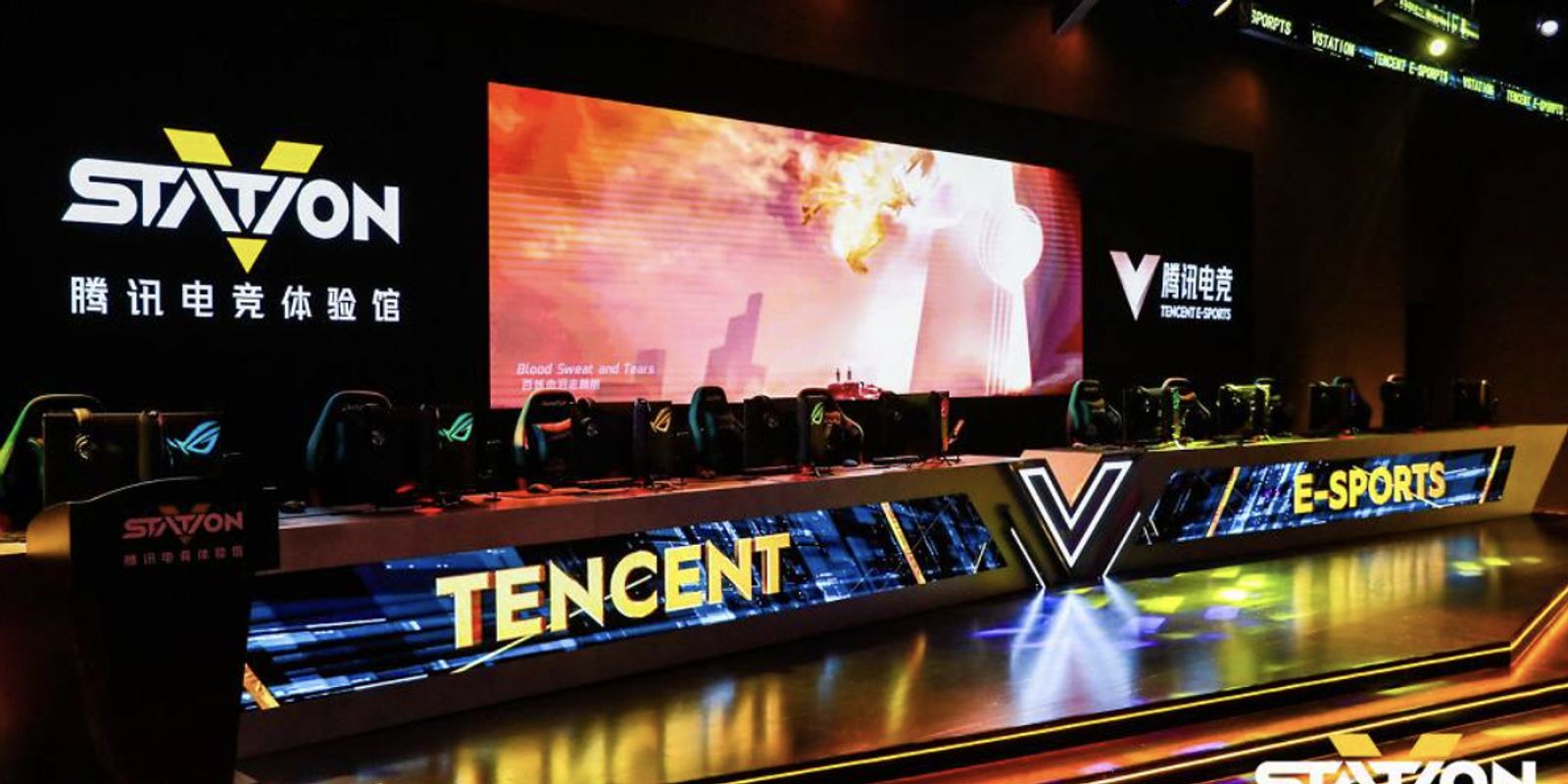
China is one of the world’s largest esports markets, with professional leagues and grassroots tournaments driving long-term visibility. Market forecasts and ecosystem impacts are detailed in Asia Game Buzz’s analysis of China’s esports-driven growth.

Influence of Streaming & Short Video Platforms
Livestreaming and short-video platforms are primary discovery channels for new games in China. As explained in Chinese game KOL strategy and case studies, influencer-driven exposure consistently outperforms traditional advertising.
Challenges for Foreign Game Publishers in China
Licensing & Local Partnerships
Foreign publishers typically require local partners to navigate licensing and compliance. Selecting reliable collaborators is essential, as discussed in how to choose the best game KOL marketing agency in China.
Distribution Channels & App Stores
China operates a distinct ecosystem of app stores, platforms, and payment systems. Publishers must adapt distribution strategies accordingly rather than relying on global launch models.
Cultural & Content Localization
True localization extends beyond translation. Narrative themes, monetization pacing, and community engagement must align with player expectations to avoid adoption friction.
How U.S. Game Companies Can Succeed in China
China Game Marketing Strategies That Work
Successful strategies prioritize long-term community building and creator partnerships. This approach reflects Asia Game Buzz’s proven methodology outlined in how we work with international game studios.
Influencer & KOL Marketing for Games
KOLs play a central role in trust-building and game discovery. Campaign execution and platform selection are core services detailed in Asia Game Buzz’s game marketing solutions.

User Acquisition on Chinese Platforms
Effective user acquisition blends platform-native ads, influencer amplification, and organic community growth, creating a self-reinforcing visibility loop.
Why Work With a China Game Marketing Agency
Local Market Expertise
China’s gaming ecosystem is complex and fast-moving. Teams with on-the-ground knowledge help foreign publishers avoid costly mistakes, as explained in who Asia Game Buzz is and what the team does.
End-to-End Game Marketing Solutions
Integrated services from KOL campaigns to analytics ensure consistency and scalability. These offerings are supported by Asia Game Buzz’s strategic partners across China’s gaming ecosystem.
Proven Strategies for U.S. Game Brands
Agencies experienced with Western studios understand how to adapt global IPs without losing brand identity an essential factor for long-term success.
Asia Game Buzz: Helping U.S. Game Companies Grow in China
Asia Game Buzz supports international publishers navigating the China video game industry through localized strategies, creator ecosystems, and data-driven execution. A full overview of the agency’s approach is available in the Asia Game Buzz company profile.
Rather than one-size-fits-all tactics, the team focuses on culturally aligned strategies, KOL-driven visibility, and sustainable growth models rooted in local market realities.
Final Takeaway
China is not only the world’s largest gaming market it is one of the most advanced. Publishers that invest in understanding regulation, player behavior, and local marketing dynamics will find long-term opportunity in the China video game industry, especially when supported by experienced local partners.