

Influencer marketing gaming has become one of the most powerful growth channels in modern game publishing. Today, gaming influencer marketing is often more effective than traditional advertising when it comes to driving Steam wishlists, downloads, player engagement, and long-term community growth.
As the gaming industry becomes increasingly creator-driven, influencer marketing for gaming is no longer optional—it is a core acquisition strategy for developers, publishers, and live-service games. Whether you are running a gaming influencer marketing campaign for an indie Steam launch or a AAA global release, creators now shape how players discover and trust new titles.
According to Influencer Marketing Report, the global influencer marketing industry surpassed $32 billion, while gaming remains one of the fastest-growing verticals due to high engagement rates and creator-led discovery. Meanwhile, Newzoo's 2026 PC & Console Gaming Report projects the global PC and console software market will exceed $103 billion by 2028, supported by continued growth in creator-driven ecosystems.
Competition for player attention has never been higher. Steam regularly exceeds 40 million concurrent users, while thousands of new games launch every year across PC, console, and mobile platforms. In this environment, gaming and influencer marketing have become essential for visibility and growth.
From AAA publishers partnering with top Twitch streamers to indie developers leveraging TikTok creators and Steam festivals, successful games increasingly rely on influencer-driven ecosystems to build awareness long before launch day.
What Is Influencer Marketing in Gaming?
Influencer marketing for gaming refers to partnering with gaming creators, streamers, content producers, and community personalities to promote a game, esports event, gaming brand, or gaming-related product.
Unlike traditional advertising, gaming influencer marketing campaigns rely on trust and authenticity. Instead of polished ads, audiences see real gameplay, reactions, tutorials, reviews, and livestream interactions.
Modern influencer marketing gaming strategies support:
- Game launches
- Steam wishlist campaigns
- Early Access releases
- Mobile game user acquisition
- DLC launches
- Live-service updates
- Esports events
- Community growth initiatives
For many publishers, gaming influencer marketing is now one of the highest-performing acquisition channels in the industry.
The Difference Between Gaming Influencers and Traditional Celebrities
Traditional celebrity marketing is built around fame.
Gaming influencers are built around trust.
Players follow creators because they:
- Spend hours watching gameplay
- Trust honest opinions
- Engage in live community interactions
- Rely on authentic reviews
Gaming and influencer marketing succeed because audiences value:
- Authenticity
- Expertise
- Entertainment
- Community participation
- Honest recommendations
As a result, gaming influencer marketing campaigns often outperform traditional celebrity endorsements in both engagement and conversion.
Why Gaming Influencer Marketing Works So Well
Gaming is naturally content-driven. Players actively consume:
- Gameplay videos
- Livestreams
- Reviews
- Tutorials
- Competitive matches
- Funny clips
- Community challenges
Platforms such as YouTube, Twitch, TikTok, X, Discord, Reddit, Bilibili, and Douyin have transformed how players discover games.
A successful gaming influencer marketing campaign creates three key outcomes:
- Awareness through creator reach
- Social proof through trusted recommendations
- Community engagement through participation
Creators are no longer just marketing channels—they are part of the game’s ecosystem.
Types of Gaming Influencers You Should Know
Mega Influencers and Top Streamers
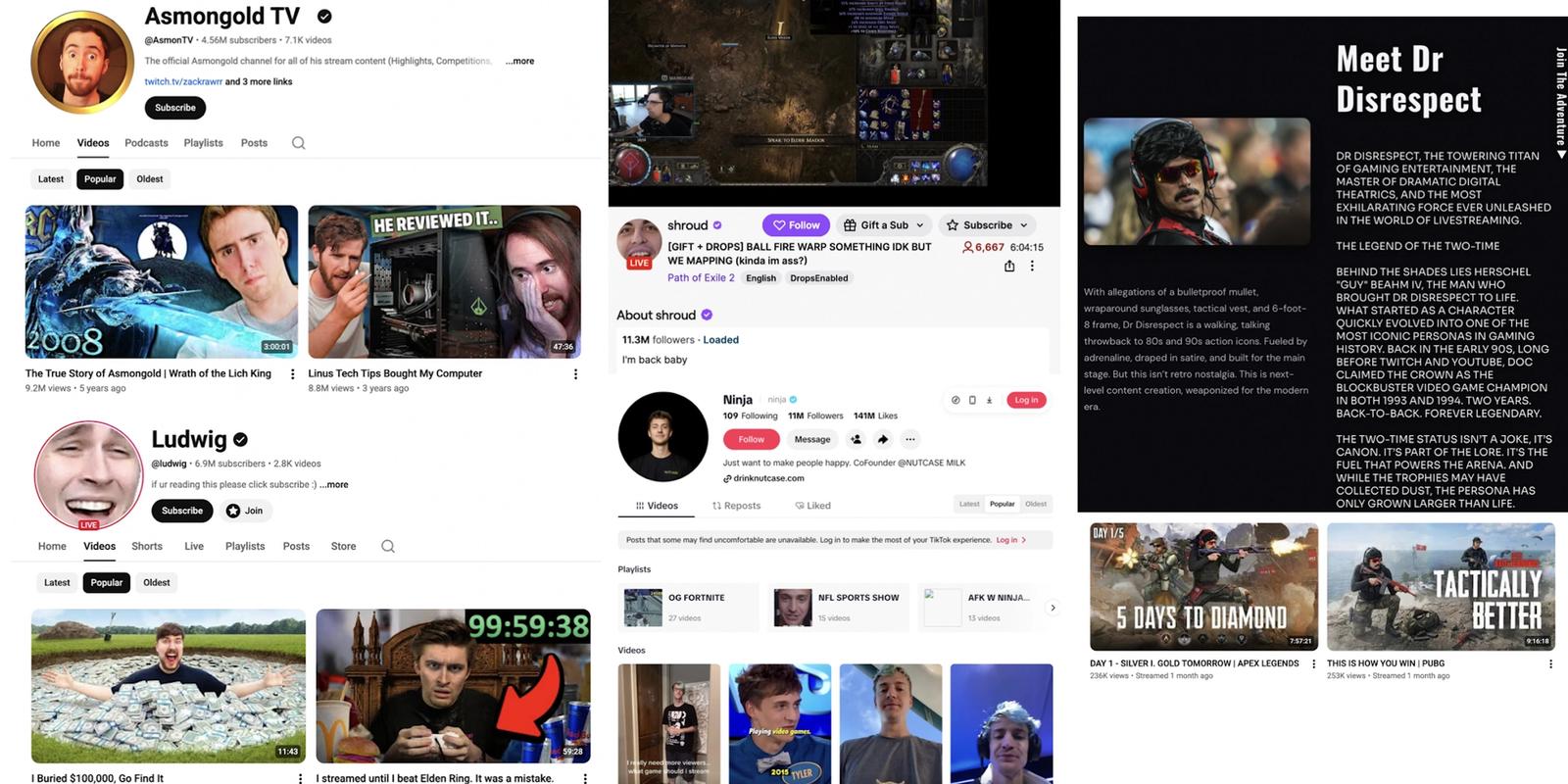
Mega influencers provide massive reach and launch-day visibility. Examples include:
- Ninja: https://www.youtube.com/@Ninja
- Shroud: https://www.twitch.tv/shroud
- Ludwig: https://www.youtube.com/@ludwig
- Asmongold: https://www.twitch.tv/asmongold
- Dr Disrespect https://dr-disrespect.com/
These creators are ideal for AAA gaming influencer marketing campaigns, but require significant budgets.
Mid-Tier Gaming Content Creators
Mid-tier creators often provide the best ROI in gaming influencer marketing.
Advantages:
- High engagement rates
- Strong audience trust
- Genre specialization
- Affordable partnerships
Many influencer marketing for gaming strategies prioritize this tier for performance efficiency.
Micro and Nano Gaming Influencers
Micro and nano creators have become increasingly important in gaming and influencer marketing.
These creators often generate:
- Higher engagement rates
- Strong community loyalty
- Better conversion efficiency
- Lower acquisition costs
For indie developers especially, activating dozens of micro-creators can often outperform a single large influencer partnership. This approach is particularly effective during:
- Steam Next Fest
- Demo launches
- Early Access campaigns
- Community-driven indie releases
From our experience supporting game launches, some of the highest-converting creator campaigns come from niche communities where audiences are deeply aligned with a game's genre.
KOLs and KOCs in Asian Gaming Markets
In Asia, influencer marketing gaming strategies often include:
- KOLs (Key Opinion Leaders)
- KOCs (Key Opinion Consumers)
Platforms in China include: Bilibili, Douyin, Xiaohongshu, Huya, DouYu, etc.
This layered structure is a defining feature of gaming and influencer marketing in Asia. Notable Gaming Influencers in Asia
- 陈泽 (Chen Ze) on Douyin: One of China's most influential gaming livestream personalities, known for high engagement and entertainment-focused gaming content.
- 芒果冰OL (Mango Ice OL) on Bilibili: Popular gaming commentator focused on reviews, gaming culture, and industry analysis.
- MixiGaming (Vietnam): One of Vietnam's largest gaming creators and livestream personalities.
- Faker: While primarily known as a professional esports player, Faker's influence extends into mainstream gaming marketing and brand partnerships.
These examples highlight a key trend: Asian gaming campaigns often prioritize engagement quality, livestream performance, creator loyalty, and community influence over simple follower counts.

Sponsored Gameplay
Creators showcase gameplay naturally using early builds or game keys. This is one of the most common formats in influencer marketing for gaming.
Reviews and First Impressions
First impressions strongly influence purchasing decisions.
Formats include:
- Reviews
- Early impressions
- Hands-on gameplay
These are critical in gaming influencer marketing campaigns.
Tournaments and Live Events
Creator-led events generate massive engagement.
Examples:
- Creator tournaments
- Launch livestreams
- Community challenges
A notable example is Disguised Toast’s Marvel Rivals Creator Cup, which generated massive cross-platform visibility.

How to Plan a Gaming Influencer Marketing Campaign
Setting Campaign Goals and KPIs
Common goals:
- Steam wishlists
- Downloads
- Revenue
- Community growth
KPIs:
- CTR
- Cost per wishlist
- Conversion rate
- Retention
Finding the Right Creators
In influencer marketing gaming, relevance matters more than size.
Key factors:
- Genre alignment
- Audience fit
- Platform relevance
- Region targeting
Structuring Your Campaign
Effective gaming influencer marketing campaigns combine:
- Mega influencers → awareness
- Mid-tier creators → scale
- Micro creators → engagement
- Community creators → long-tail growth
Measuring ROI
Tools include:
- Affiliate links
- Promo codes
- UTM tracking
- Steam wishlist attribution
Focus on long-term player value, not vanity metrics.
Influencer Marketing for Gaming: Global vs. Asian Markets
Western Platforms
- YouTube
- Twitch
- TikTok
- Discord
- X
Asian Platforms
- Bilibili
- Douyin
- Xiaohongshu
- Huya
- DouYu
- WeChat Channels
China’s gaming market exceeds RMB 325 billion annually, making it one of the most important ecosystems for gaming and influencer marketing.
Asian campaigns rely heavily on:
- Livestream commerce
- Short-form video
- Creator challenges
- Social engagement systems
Many Chinese livestream platforms use Heat Index systems that evaluate watch time, gifting behavior, interaction quality, and community engagement.
Understanding these differences is essential for publishers entering Asian gaming markets.
Common Mistakes in Gaming and Influencer Marketing
Avoid:
- Choosing influencers only by follower count
- Ignoring audience fit
- Over-controlling messaging
- Poor tracking setup
- Late campaign activation
- One-off sponsorship thinking
Strong influencer marketing for gaming is always long-term and relationship-driven.
Conclusion: Why Gaming Influencer Marketing Is Non-Negotiable
Influencer marketing gaming is now one of the most effective channels for modern game growth.
As discovery shifts toward creators, livestreams, and community ecosystems, publishers who invest in structured gaming influencer marketing campaigns gain a significant competitive advantage.
Successful gaming and influencer marketing strategies combine:
- Creator partnerships
- Community engagement
- Authentic content
- Regional expertise
- Performance tracking
From Twitch and YouTube to Bilibili and Douyin, creators now define how players discover games.
At Asia Game Buzz, we've supported creator campaigns across both Western and Asian gaming markets, and one lesson consistently stands out: creator relevance almost always outperforms creator size. A network of engaged niche creators often generates stronger wishlist growth, community engagement, and player retention than a single high-profile sponsorship.
Whether launching an indie Steam title or a global AAA game, influencer marketing for gaming is no longer optional—it is essential for sustainable growth.