

Understanding what is the target market for video games is more important than ever in today’s competitive U.S. gaming industry. The modern gaming audience is no longer defined by a single stereotype. Instead, it represents a diverse ecosystem spanning PC, console, mobile, and cloud platforms, with players of different ages, lifestyles, and motivations. Industry research shared by AsiaGameBuzz highlights how audience diversity continues to expand across global gaming markets.
For developers, publishers, and marketers, clearly defining the game target audience is essential for building effective campaigns, shaping product decisions, and sustaining long-term engagement. As acquisition costs rise and competition intensifies, success increasingly depends on data-driven segmentation and platform-aware strategies supported by ongoing gaming market insights.
The Modern Gaming Audience in the USA
The United States remains one of the largest and most influential gaming markets globally. A majority of Americans play video games in some form, making gaming a mainstream entertainment medium comparable to film and streaming. Similar market maturity patterns are observed in global regions discussed in emerging game trends shaping the market.
In 2025, more than 205 million Americans play video games at least one hour per week, representing roughly two-thirds of the U.S. population across ages 5 to 90. The average U.S. gamer is 36 years old, reinforcing that gaming participation extends well beyond younger audiences, a trend also reflected in global gaming trend analysis.
What defines the modern gaming target market is not just scale, but variation. Players differ in platform use, play frequency, and motivation. Broad messaging rarely performs well, which is why platform-aware approaches outlined in a comprehensive guide to marketing PC games are increasingly relevant even in the U.S. market.
Key Demographic Segments
Age Groups
Age is a common way to segment a game target audience example, but it should be applied thoughtfully. Players aged 18–34 are often early adopters, socially active, and responsive to influencer-led discovery. These behaviors align closely with PC game promotion strategies that emphasize creators and communities.
Players aged 35–54 represent a substantial portion of the gaming target market, often with higher spending power and stronger brand loyalty. Audiences aged 55 and older also play a meaningful role, particularly in strategy and simulation genres, as consistently highlighted across gaming audience research insights.
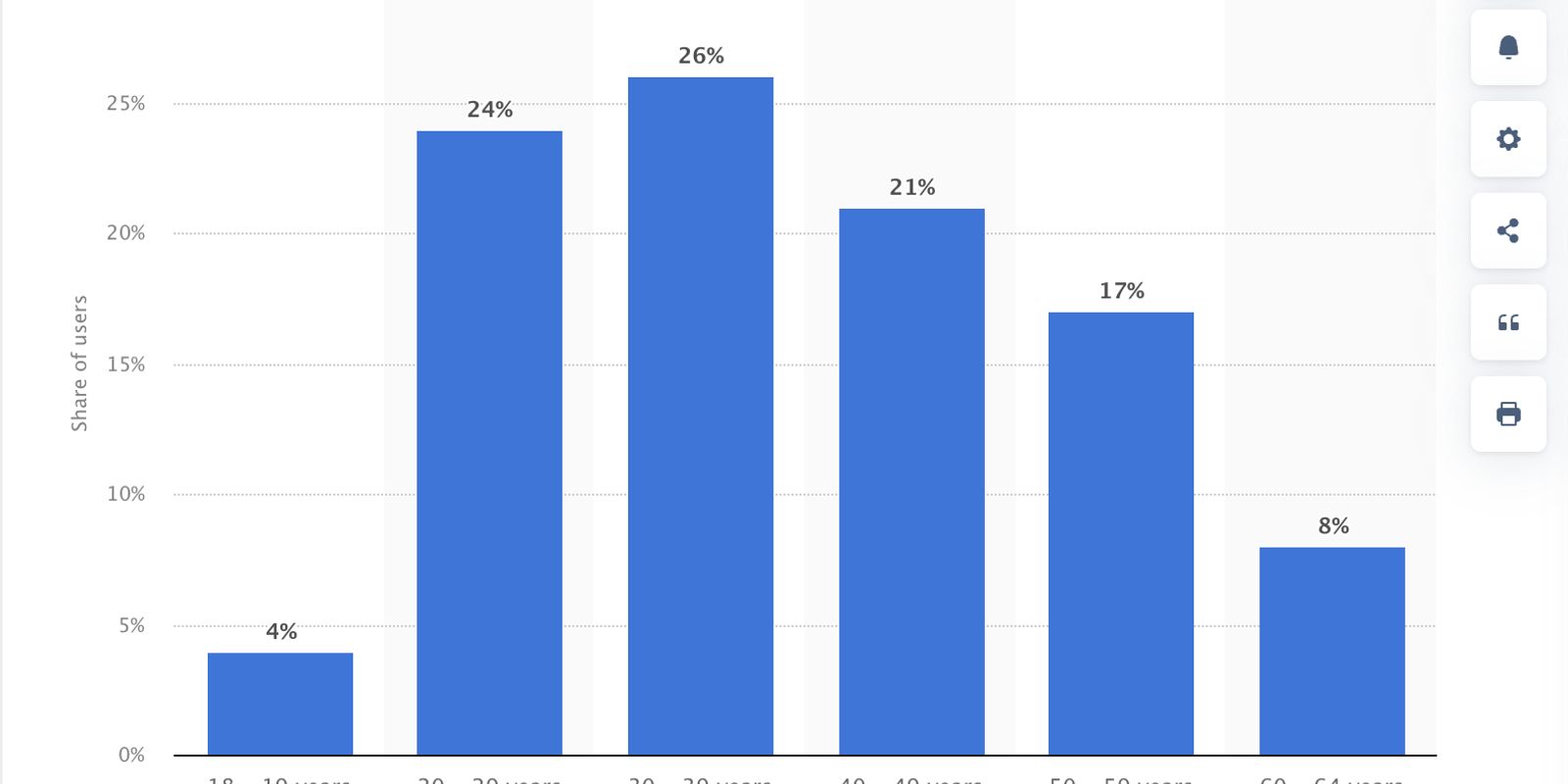
Understanding age-based differences helps shape tone, creative direction, pacing, and channel selection, forming the foundation of effective gaming market segmentation.
Gender Breakdown
The U.S. gaming audience is far more gender-balanced than outdated assumptions suggest. Women account for a significant share of players across mobile, PC, and console platforms, particularly in narrative-driven and social genres. This shift mirrors the impact of game visibility through KOL strategies.
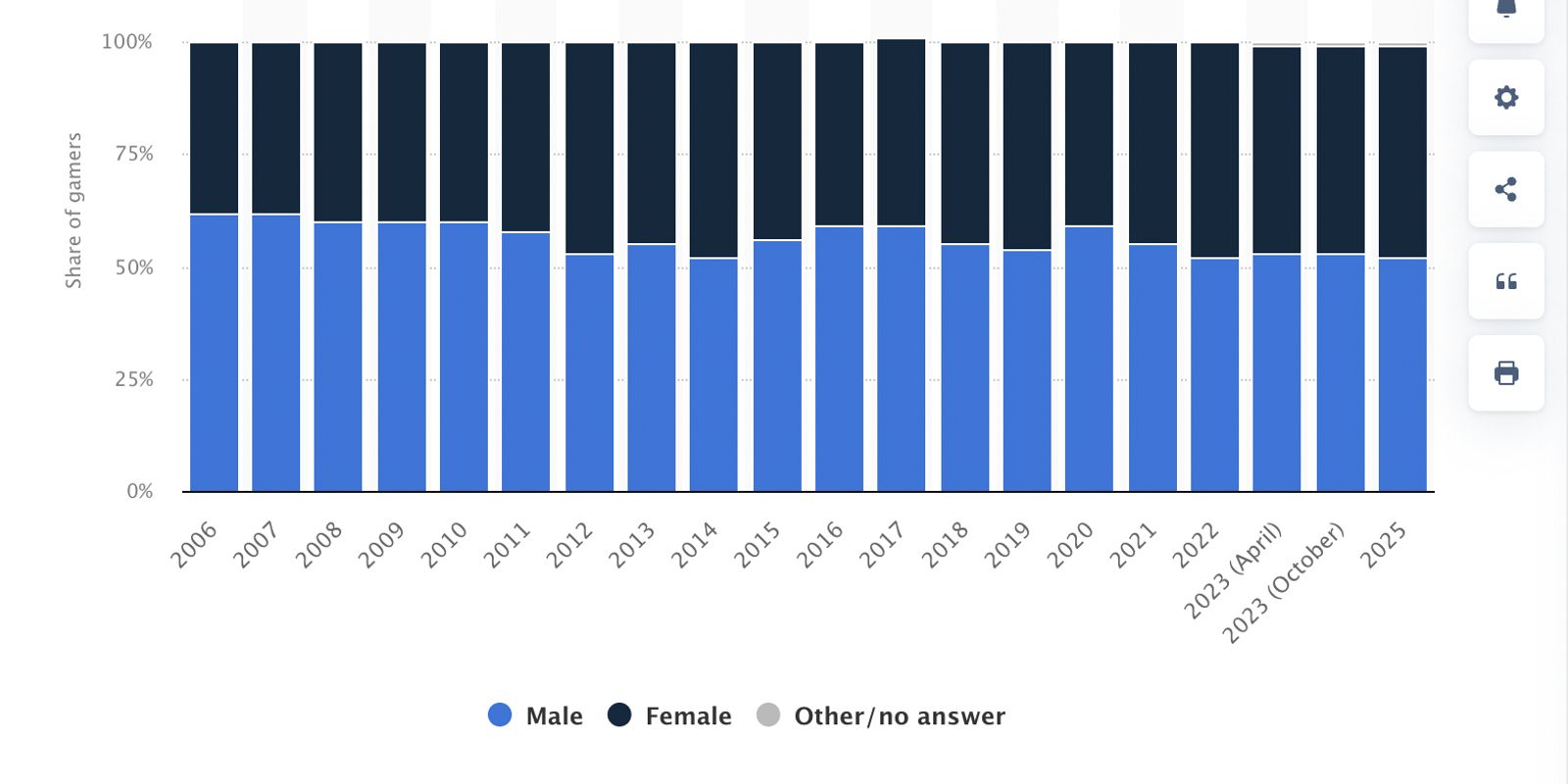
Rather than relying on stereotypes, marketers should focus on genre and playstyle. Applying inclusive creative strategies supported by effective game KOL frameworks leads to stronger engagement across diverse player segments.
Platforms & Playstyles
Platform preference is one of the clearest ways to define a gaming audience breakdown. PC gamers often value depth, customization, long-session gameplay, and community interaction through Steam and Discord. These discovery behaviors align with insights shared in live-stream-driven wishlist growth strategies.
Console players tend to prioritize performance and exclusivity, while mobile gamers favor accessibility and shorter sessions. Competitive versus casual playstyles further shape engagement, reinforcing patterns seen in current gaming market trend reports.
Behavioral & Psychographic Insights
Beyond demographics, behavioral and psychographic insights explain what motivates players. Some gamers seek competition and mastery, while others prioritize relaxation or social interaction. Understanding these motivations is central to gaming audience segmentation research.
Engagement patterns further differentiate the game target audience. Highly engaged players follow updates and leave reviews, while casual players rely on storefront discovery. These distinctions are frequently addressed in indie game marketing strategies.
Why This Matters for Marketing

Knowing what is the target market for video games directly improves marketing efficiency and ROI. Precise audience definition helps teams choose the right platforms, creators, and formats while reducing wasted spend. This approach reflects the strategy behind professional game marketing solutions.
Relevance is the strongest competitive advantage in a crowded market. Players engage more with content that reflects their interests and habits, a principle embedded in collaborative game marketing processes.
Practical Targeting Strategies
Persona Development
Creating player personas helps operationalize video game demographics. Personas might represent competitive PC gamers or simulation fans discovering games through reviews. Persona-driven planning is a core part of AsiaGameBuzz’s strategic approach to audience-first marketing.
Personas align marketing, content, and product teams around a shared understanding of the gaming target market.
Messaging & Channels
Once the game target audience is defined, messaging and channel selection follow naturally. Influencer marketing and live streaming resonate with younger players, while long-form content builds trust with experienced audiences. Choosing the right partners is critical, as explained in guides to selecting game KOL agencies.
Consistent messaging across platforms strengthens brand recognition and trust, reinforcing long-term engagement.
Conclusion
The U.S. gaming audience is vast, diverse, and constantly evolving. Defining what is the target market for video games requires understanding platforms, behaviors, and motivations not just surface-level demographics. By applying structured gaming market segmentation and leveraging insights from AsiaGameBuzz, developers and marketers can build more relevant campaigns and stronger player relationships.