

Effective video game industry marketing is no longer optional. As competition across PC, mobile, and console platforms intensifies, developers must adopt smarter strategies to capture attention and sustain engagement especially in competitive Asian markets analyzed regularly by Asia Game Buzz.
The video game industry has evolved into a global entertainment powerhouse, with crowded digital storefronts and constant new launches. In this environment, strong marketing determines whether a title gains traction or fades away, a challenge frequently discussed across Asia Game Buzz Insights.
Modern studios go beyond basic promotion by building communities and emotional connections. From influencer-led discovery to data-driven performance marketing, today’s video game industry strategies blend creativity and technology, reflecting trends highlighted in Asia Game Buzz’s gaming trend analysis.
Understanding Today’s Players: The Foundation of Every Winning Strategy
At the core of successful video game industry marketing is a deep understanding of player demographics and behavior. Today’s audience spans casual mobile users, competitive PC gamers, and console players an evolution driven by Asia-focused platforms like asia game buzz and gamebuzz that monitor shifting player preferences.
Platform differences heavily influence marketing strategies. PC players value depth and performance, mobile players prefer accessibility and short sessions, while console audiences seek cinematic storytelling. These distinctions are critical when planning campaigns such as those outlined in PC game marketing strategies for China.
Digital distribution has transformed discovery, making audience data essential. Player analytics, social listening, and creator feedback help studios refine positioning and messaging, similar to approaches used by buzz asia and asiagame market analysts.
Traditional vs. Digital Marketing in Video Games
Marketing in the video game industry has shifted from traditional channels like TV ads and trade shows to highly measurable digital strategies. While traditional media still supports major launches, its limitations are evident compared to insights shared on Asia Game Buzz Insights.
Digital marketing now drives most campaigns, using social media, paid ads, and creator partnerships. Platforms such as YouTube, TikTok, and Bilibili frequently analyzed by asia buzz enable direct engagement and precise targeting.
Successful campaigns balance both approaches, combining traditional visibility with digital engagement and community growth, a model consistently reinforced by Asia Game Buzz research.
Leveraging Influencer and KOL Marketing
Influencer marketing has become one of the strongest drivers of video game discovery. In China, platforms like HeyBox play a crucial role in connecting players with authentic creator content.
Gamers trust livestreams, gameplay videos, and long-form playthroughs to evaluate games before downloading. This creator-led discovery mirrors trends seen across heybox China and other immersive gaming communities.
Micro-influencers offer niche engagement, while macro creators provide mass reach. Successful studios often blend both, using structured campaigns similar to those described in practical PC game promotion steps in China.
Innovative Marketing Strategies in the Video Game Industry
Innovation is essential for standing out in a saturated market. Early access programs and beta testing build anticipation while fostering early communities, a tactic widely used in china immersive technology in gaming industry market strategies.
Gamified social campaigns, UGC contests, and interactive trailers encourage sharing and emotional investment. Livestream-driven discovery, as explored in boosting wishlists via Huya and Douyu, further amplifies reach.
Studios that experiment early and iterate quickly consistently outperform competitors relying on static promotion.
Proven Success Stories: What Top Game Campaigns Teach Us

Real-world campaigns highlight the impact of integrated strategies. Genshin Impact leveraged global influencer campaigns across YouTube, Twitch, and Bilibili, aligning closely with influencer trends analyzed by Asia Game Buzz.
Among Us demonstrated the power of community-driven growth, relying on organic creator adoption rather than paid advertising a model increasingly discussed across asia game buzz platforms.

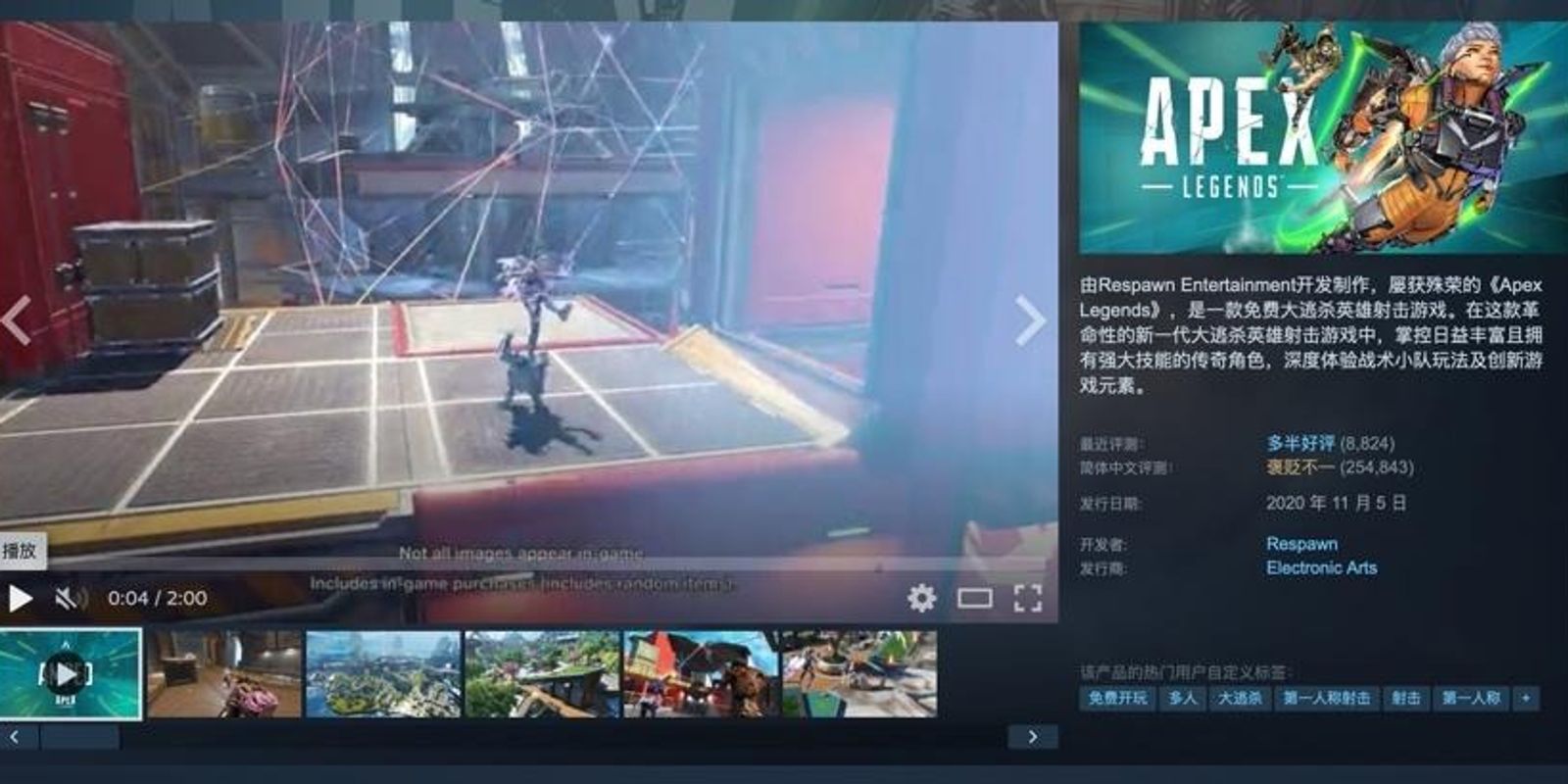
Apex Legends showcased the effectiveness of surprise influencer-first launches, proving that coordinated creator activations can generate massive awareness within days.
Measuring What Matters: KPIs for Sustainable Game Marketing Success
Sustainable success depends on tracking the right KPIs, including acquisition, engagement, retention, and ROI. Data-driven optimization supported by tools like Google Analytics and Mixpanel enables real-time refinement, a best practice emphasized in Asia Game Buzz Insights.
Continuous measurement allows teams to improve performance, reallocate budgets, and maximize lifetime value across platforms and regions.
Conclusion
Marketing in the video game industry continues to evolve alongside player expectations and technology. The most effective studios combine digital precision, influencer-led discovery, and long-term community engagement to guide players from awareness to retention.
By understanding audiences and leveraging innovation, developers can achieve sustainable growth. Partnering with a specialized agency like Asia Game Buzz ensures your game reaches the right audience with strategic insight and creative execution.