
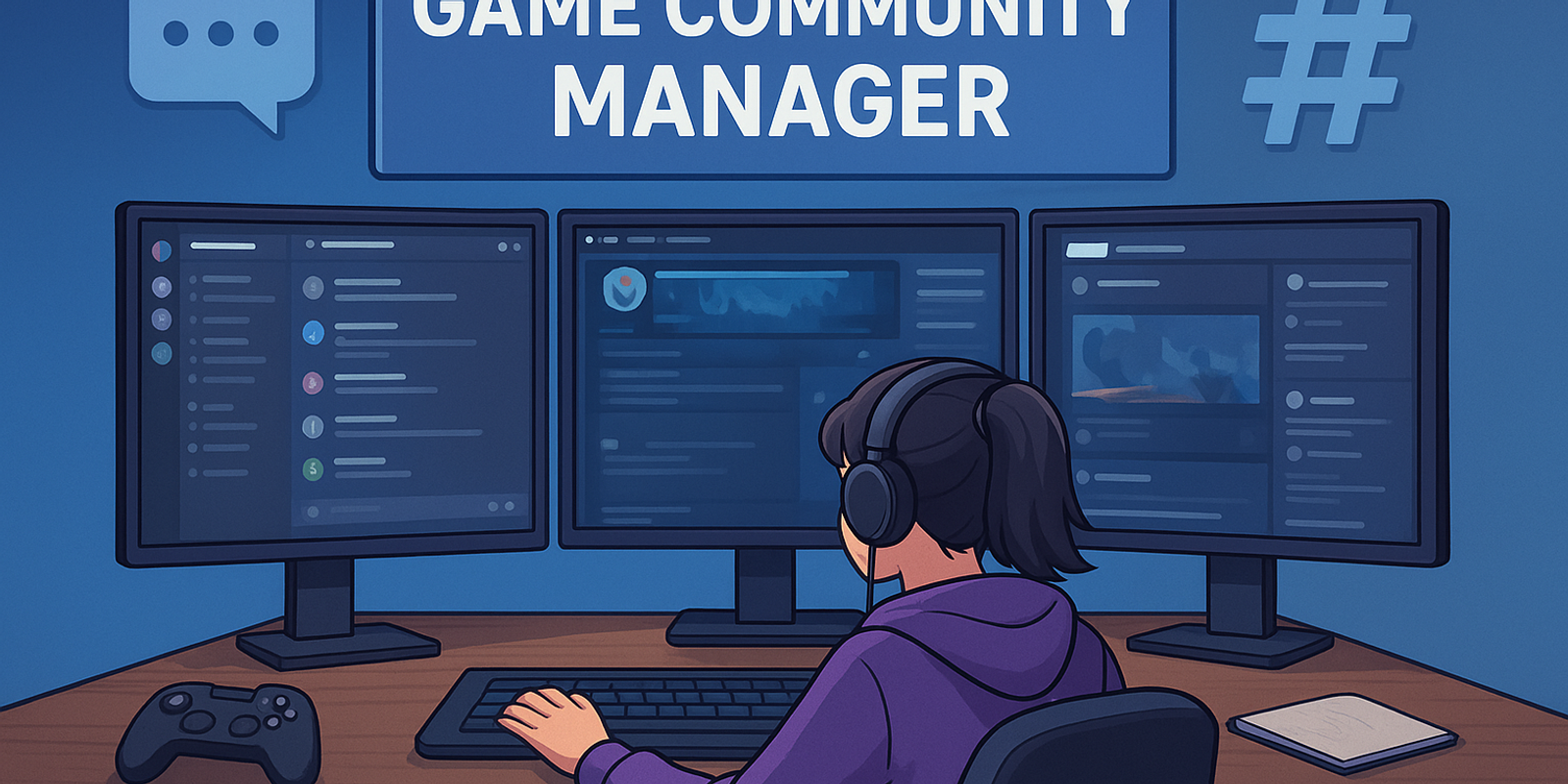
In today’s fast-moving global gaming industry especially in rapidly growing regions like China and Asia community is the lifeblood of every successful game. Behind every loyal fanbase, thriving Discord, and active Steam forum is a skilled game community manager who connects players, nurtures engagement, and amplifies the studio’s vision.
If you’re exploring how to become a community manager for games, this guide covers everything you need to know: what the role involves, the skills you’ll need, and practical ways to start building your career.
What Does a Game Community Manager Do?
A game community manager is both a brand ambassador and a bridge between developers and players. They represent the studio’s voice to the community and bring the community’s feedback back to the development team.
Their mission revolves around four core goals:
- Build player trust and enthusiasm.
- Foster healthy, inclusive spaces for discussion.
- Deliver actionable feedback to developers.
- Support marketing campaigns and live-ops events.
In essence, a community manager keeps the ecosystem alive. Whether a title is still in pre-launch or has been live for years, consistent and thoughtful community management drives retention, reviews, social buzz, and organic growth key elements of long-term game success.
For more insight on how professional teams handle community and growth, explore what we do at Asia Game Buzz.
Essential Skills for Community Managers
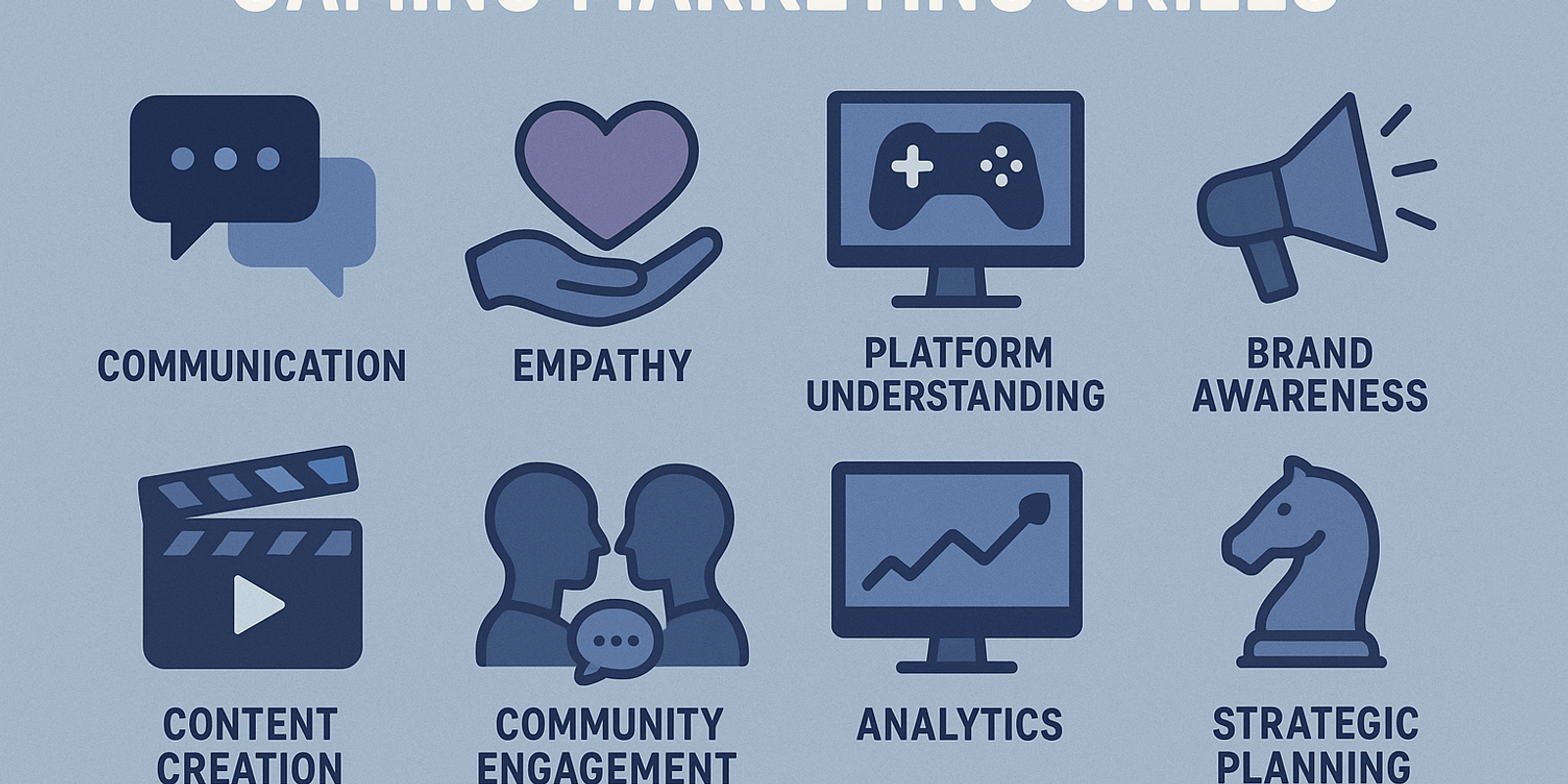
Success in this role depends on mastering both interpersonal and technical abilities. Below are the core skills every game community manager needs:
1. Communication and Writing
Clear, empathetic communication is at the heart of great community work. You’ll be writing patch notes, replying to posts, crafting announcements, and moderating discussions often across multiple platforms and languages.
2. Empathy and Cultural Awareness
Gaming communities are diverse. Understanding player concerns, emotions, and cultural differences especially in multilingual markets like China’s gaming ecosystem helps prevent misunderstandings and build trust.
3. Platform Literacy
Every gaming community gathers on different channels, so strong platform literacy is essential. Skilled community managers understand audience behavior, platform ecosystems, and regional social media dynamics to ensure effective gaming social media management.
Key platforms include:
- Discord – real-time discussions and community events
- Steam Community – player feedback and patch updates
- Bilibili & Weibo – outreach for Chinese audiences
- Reddit & X (Twitter) – global communication
- TikTok / Douyin – short-form content and viral engagement
In China, effective community management blends public visibility (Bilibili, Weibo, Douyin), private loyalty (WeChat, QQ), and platform integration (Steam, TapTap).
4. Data Awareness
Modern community management uses analytics to evaluate engagement, sentiment trends, and user churn. Data helps identify topics that matter and content that resonates.
5. Cross-Functional Collaboration
Community managers often coordinate with marketing, QA, localization, and design teams. Being organized ensures the right messages reach players quickly and accurately.
Gaming Community Building Tips
Strong community building starts with consistency, transparency, and genuine care. Players must feel seen, heard, and valued.
Successful community ecosystems grow from three interconnected practices: interaction, updates, and events.
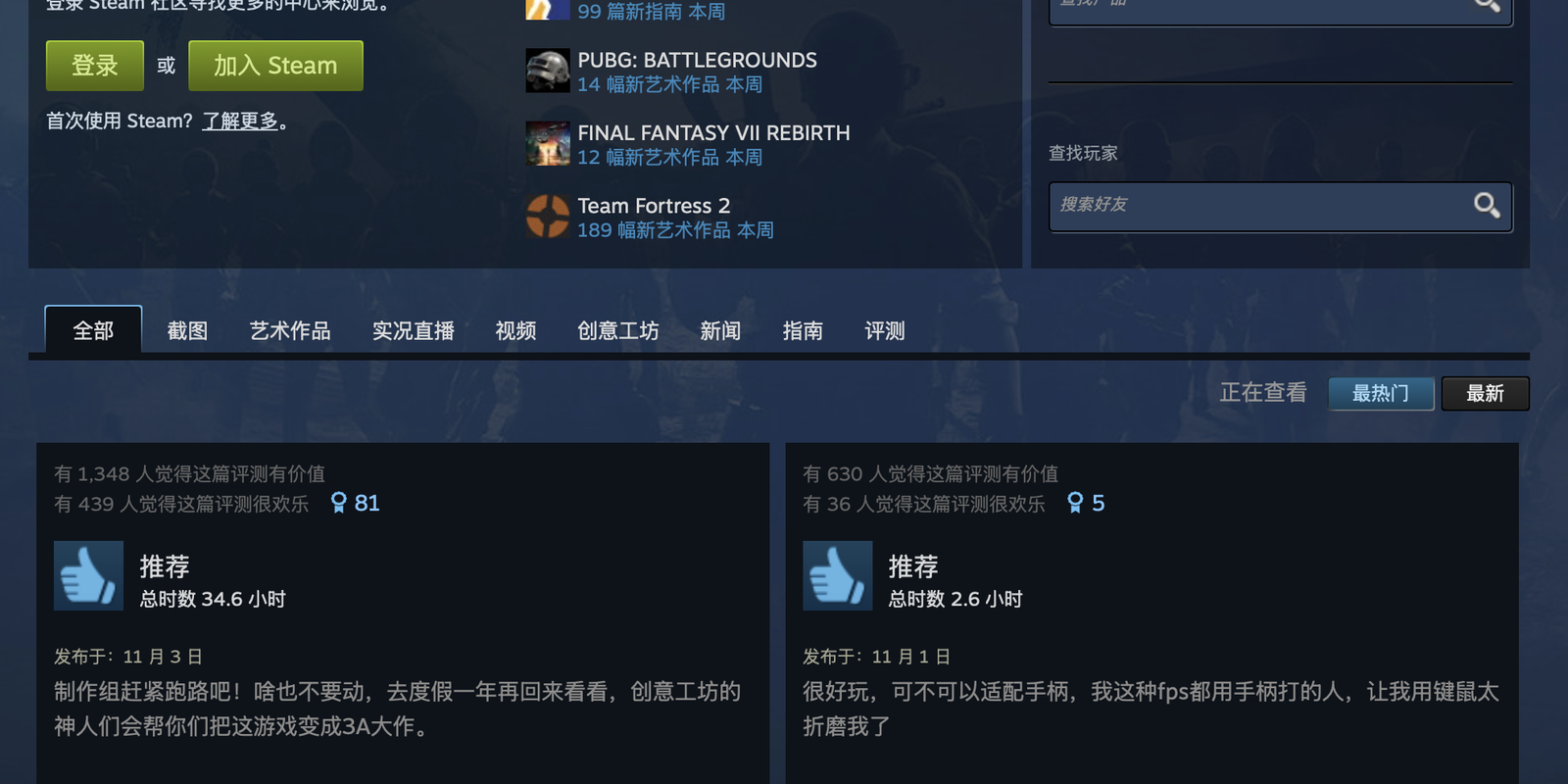
Interaction
Regular interaction through Q&A threads on Steam, polls, AMAs, or Discord chats helps build familiarity and a sense of belonging.
Updates
Players crave transparency. Share patch notes, bug-fix updates, and small development insights. Honest communication builds trust even when timelines shift.
Events
Community events are where energy turns into memories. Seasonal challenges, art contests, and weekend missions keep players engaged. Simple initiatives like spotlighting player achievements help shape a game’s culture.
For deeper guidance, explore 5 Steps to Start Promoting PC Games in China for community-building ideas aligned with local markets.
Moderation & Social Media: A Unified Perspective
In 2026, moderation and social media are inseparable. Managing spaces like Discord, Steam, and Reddit requires balancing positive engagement with clear rules—the essence of good game moderation strategies.
Moderation Best Practices:
- Encourage constructive discussion
- Address harassment or toxicity
- Clarify rules and consequences
- Support and guide new players
Good moderation protects both players and the brand, creating an environment where creativity thrives.
Meanwhile, social media expands your reach. Using gaming social media management tools and strategies, community managers can:
- Announce patches or events in real time
- Collaborate with influencers
- Run social-exclusive giveaways
- Direct players from platforms like X, Bilibili, or TikTok to core communities on Steam or Discord
When moderation and social media align, they create a unified player experience that strengthens brand loyalty.
Creative Ways to Boost Community Engagement in Games
Great community management inspires action and creativity. Here are effective ways to boost player engagement:
- Feedback Sessions: Host feedback sessions to gather user opinions and guide development.
- Influencer Collaboration: Partner with influencers for co-streams or challenges.
- In-Game Activities: Offer limited-time quests or co-op events to keep players active.
- Content Showcases: Highlight fan art, mods, or cosplay to celebrate your community.
For strategic planning examples, visit our Insights Hub for more ideas on engagement and retention.
How to Start a Career in Game Community Management
Wondering how to start your career as a game community manager? You don’t need to begin at a major studio many professionals grow from grassroots experience.
Steps to Begin:
- Volunteer for Indie Teams or Mods – Many small projects need moderators or coordinators.
- Start Small – Manage a Discord server or fan forum to gain experience.
- Network with Professionals – Join LinkedIn, Discord, and gaming groups.
- Build a Portfolio – Document community posts, analytics, and engagement data.
The key is consistency, empathy, and leadership qualities studios value most.
Why Community Management Matters
Strong community management goes beyond posting updates it builds belonging. When players feel valued, they become natural advocates and content creators.
As the gaming industry heads into 2026, studios that invest in skilled community teams will build resilient, loyal audiences capable of sustaining success long after launch.
If you’re passionate about games, communication, and community, becoming a game community manager may be your next big step.
Learn more about the gaming landscape and marketing insights through Asia Game Buzz and explore our partners who shape Asia’s interactive entertainment ecosystem.