

Introduction: Steam’s Global Power and the Need for Smart Marketing
Looking at the PC gaming landscape in 2026, one truth stands out: visibility is everything. Launching on Steam is no longer enough. With thousands of new titles arriving every year, simply being listed doesn’t guarantee discovery. A thoughtful, long-term Steam game marketing strategy is now essential, especially for developers targeting Asia and China in particular.
Steam remains the world’s leading PC gaming platform. What makes China distinctive is that most players access the global Steam storefront, yet discover games through local content ecosystems. For many studios, especially those based outside Asia, the key challenge is bridging local discovery and Steam purchase behavior.
Chinese players often learn about new titles via Bilibili, Douyin, and WeChat/QQ groups before converting on Steam. Western teams that successfully connect these channels can dramatically improve Wishlist numbers, launch openings, and long-term engagement. Learn more about how local ecosystems like Heybox shape discovery and player interaction in China.
How Steam’s Algorithm and Market Dynamics Are Changing
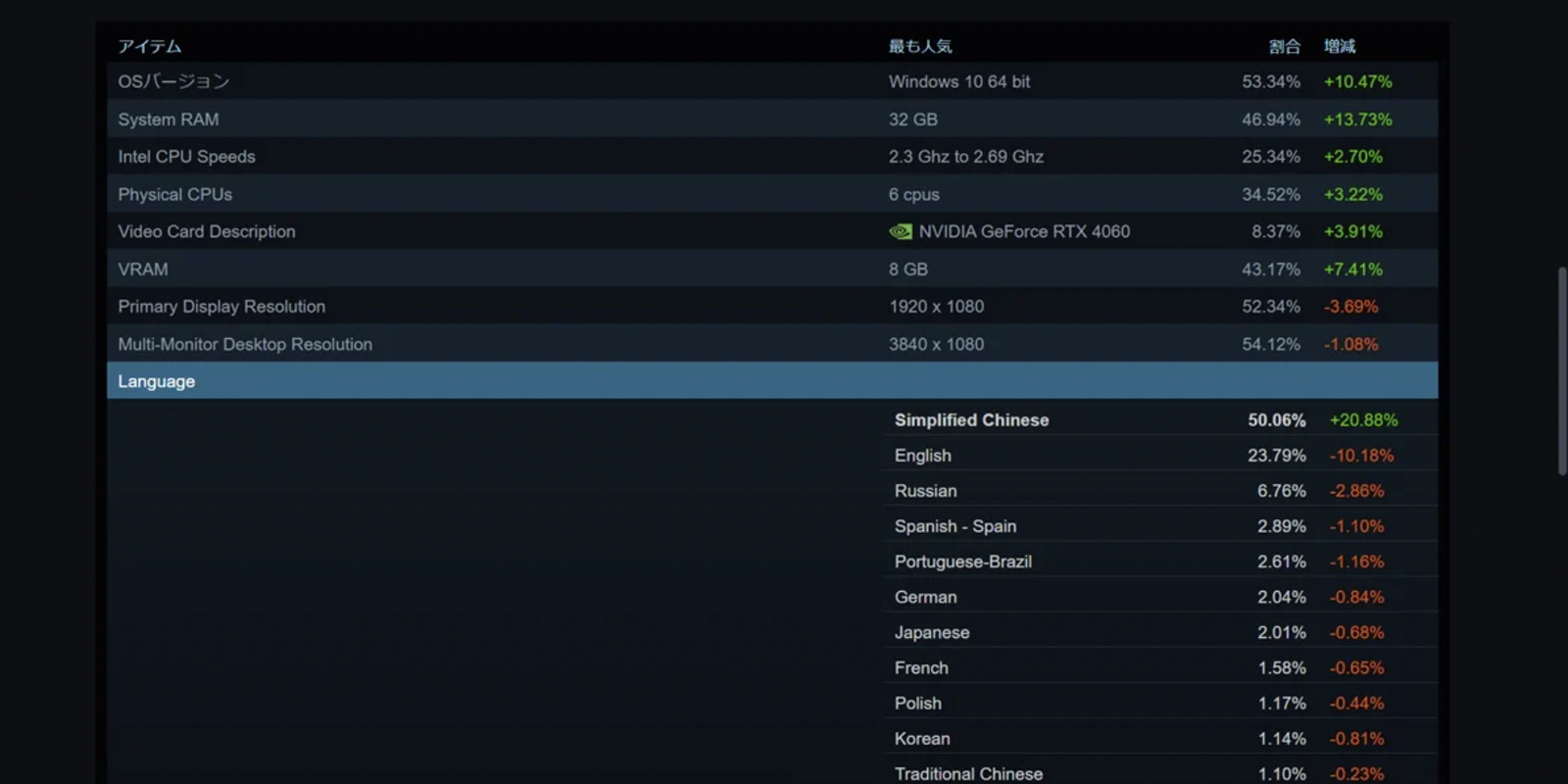
Valve’s February Steam Hardware and Software Survey revealed a historic milestone: Simplified Chinese users surged by 20.88%, reaching 50.06% of Steam’s total user base. For the first time ever, Chinese players became the majority, more than double the share of English users.
This shift reflects a decade of transformation in China’s gaming ecosystem. Once limited by hardware availability and regulations, the market now thrives on demand for high-quality single-player and premium PC experiences. Steam’s platform evolution filled this gap through vast content variety, frequent sales, and easy digital access.
Two major factors explain February 2025’s user surge:
- Seasonal effects – Steam’s regional shares fluctuate around holidays. Chinese player peaks typically occur during Lunar New Year, such as the 7.26% jump seen in 2024.
- Blockbuster releases – The launch of Monster Hunter: Wilds drove massive engagement, reaching 1.3 million concurrent players with over 51% of reviews in Chinese.
Understanding Steam’s Algorithm and Marketing Ecosystem
A strong Steam game marketing strategy starts with understanding how Steam’s recommendation algorithm works.
Steam ranks games based on engagement signals such as click-throughs, Wishlists, purchases, reviews, and playtime. It also rewards external traffic from influencer videos, press coverage, and social media, which drive players directly to your store page.
Your Steam launch is not a one-time event. It’s the result of months of community building, influencer partnerships, content updates, and visibility optimization each stage feeding into the next.
Building an Effective Steam Game Marketing Strategy
Start with a clear understanding of your audience: what they play, what visuals attract them, and which communities they follow. Positioning must be sharp and easy to understand. For example:
“A deep space automation sandbox where you design interstellar supply chains fully localized for Chinese players.”
Then build a store page that communicates value instantly. A trailer should hook viewers within five seconds. Screenshots, short copy, and tags must reinforce your core fantasy and genre.
A well-organized marketing calendar should blend:
- Owned channels – DevBlogs, social media, Discord, WeChat
- Earned media – Press coverage, influencers, and key opinion leaders (KOLs)
- Paid activations – Sponsored creators, targeted promotions, regional boosts
Early demos, playtests, and community previews are powerful Steam visibility tips that increase Wishlists and algorithmic ranking. Keep your store page updated with visual refreshes, patch notes, and event announcements signals of continued activity that Steam rewards.
Expanding into China and Asia as a Core Advantage
Asia Game Buzz emphasizes that Asia, especially China, is no longer a secondary market. With Chinese players now comprising over 50% of Steam’s user base, this region offers enormous potential for developers who understand its ecosystem.
To succeed, localization must go beyond translation:
- Adapt UI, tutorials, and cultural tone.
- Ensure humor and themes resonate with local audiences.
- Build social proof through influencer reviews and user-generated content.
Chinese players typically:
- Watch gameplay videos on Bilibili before purchase.
- Rely on community guides and long-form reviews.
- Expect transparent development updates and responsive DevBlogs.
- Communicate via WeChat/QQ player groups.
By integrating Chinese influencer campaigns directly with Steam store activity, developers can amplify Wishlists and conversion rates globally. Explore insights on top gaming trends in China to refine your regional approach.
Real World Success Stories
Supergiant Games – Hades
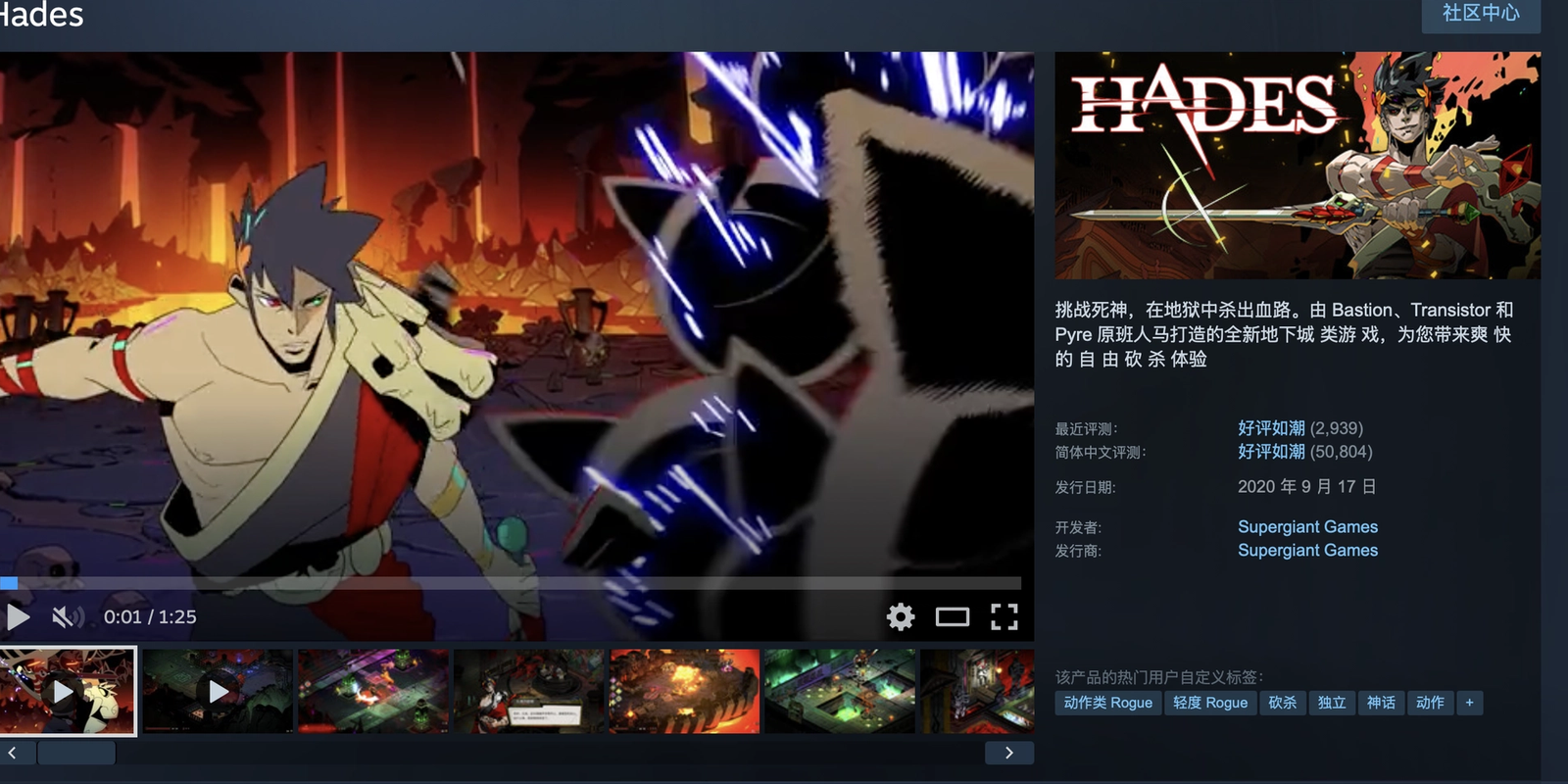
Although not China-focused, Hades demonstrates how consistent communication and creative clarity can drive success. Through frequent updates, transparent DevBlogs, and active community management, the team built strong engagement and algorithmic momentum, proving that authenticity sells.
Youthcat Studio – Dyson Sphere Program
This Chinese indie proves how domestic momentum can lead to international success. Dyson Sphere Program gained early traction from Bilibili creators, which then translated into global Steam sales. The team continued with transparent DevLogs, frequent improvements, and strong community channels. Together, these efforts reinforced its Wishlist growth and helped it excel in both China and the West.
Pocketpair – Palworld
Launched in Early Access in January 2024, Palworld hit 2.1 million concurrent players, becoming a global phenomenon. Early localization and community buzz, including Chinese participation, accelerated its global reach.
Practical Visibility and Tool Tips
Improving discoverability starts with Wishlists, reviews, and engagement. Prioritize early demo access, influencer collaboration, and authentic communication. Allowing community-created translations for guides and images can build goodwill.
Leverage Steamworks marketing tools strategically:
- Announcements and events – Keep your page dynamic and algorithm-friendly.
- Analytics dashboard – Track traffic, conversion, and retention trends.
- Bundles and seasonal sales – Extend your game’s lifecycle and exposure.
In China, integrate Bilibili content, Douyin short videos, and WeChat/QQ communities to legitimize your title and funnel players to your Steam page.
Steam Game Launch Checklist for 2026
Before launch
- Finalize localization (including Simplified Chinese).
- Build community channels; distribute preview access to influencers.
- Collect feedback via demos and playtests.
- Prepare a strong store page with clear visuals and metadata.
Launch day
- Coordinate streaming events and influencer playthroughs, especially in China and Asia time zones.
- Publish announcements and respond to early reviews.
Post-launch
- Maintain frequent updates: DevBlogs, patches, themed sales, and regional events.
- Use Steamworks analytics to identify drop-off points.
- Reignite visibility with bundles, discounts, and community challenges.
Conclusion: Asia Game Buzz – Your Par
tner for Steam Success
By 2026, mastering how to market a game on Steam means planning strategically, engaging communities early, and sustaining visibility post-launch. With Chinese players now at the heart of Steam’s global audience, success increasingly depends on understanding Asia’s cultural, social, and digital ecosystems.
At Asia Game Buzz, we help developers promote their games on Steam, expand reach across Asia, and execute data-driven Steam marketing strategies that build real traction. From influencer collaborations to regional analytics and long-term retention planning, our team bridges the gap between global creativity and Asian player engagement.
If you’re ready to elevate your next title and connect with the fastest-growing gaming audience in the world, contact Asia Game Buzz your trusted partner in Steam game marketing success.