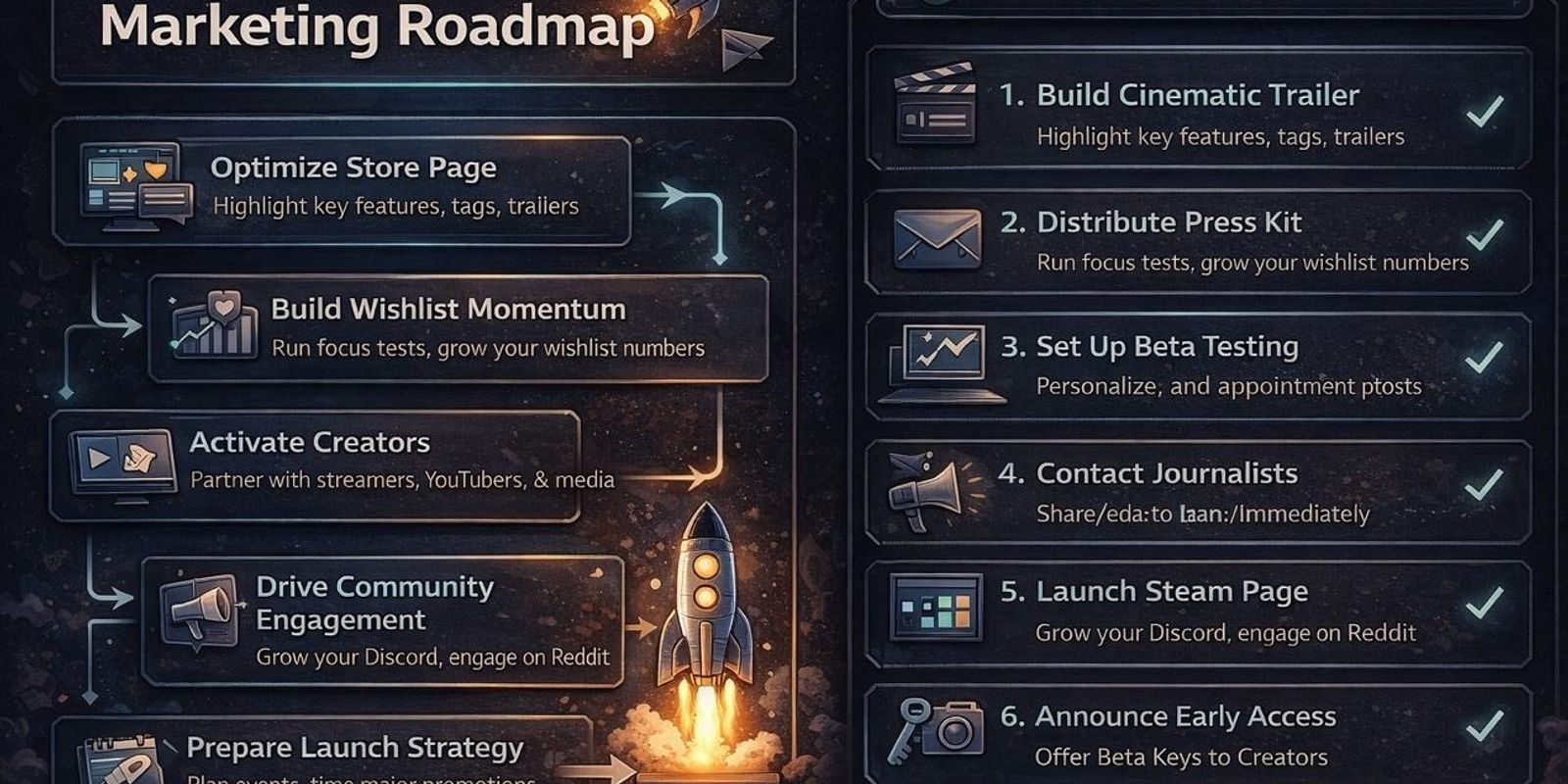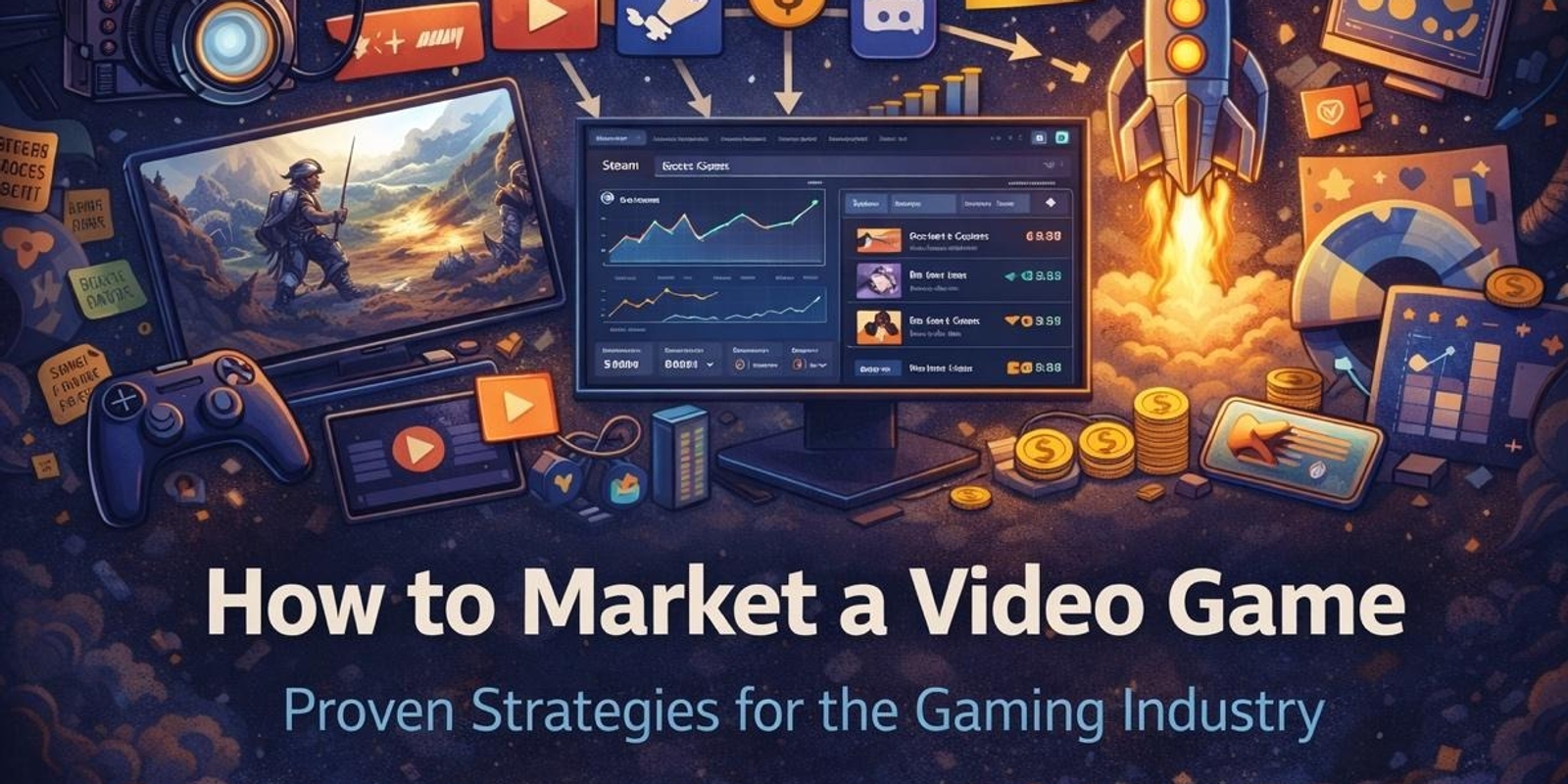
Understanding how to market a video game is now as critical as designing gameplay systems or polishing visuals. The gaming industry has evolved into a hyper-competitive ecosystem where visibility must be intentionally built, not expected. Studios that follow structured gaming industry marketing approaches, like those outlined by Asia Game Buzz, gain a strategic edge in crowded global marketplaces.
A well-defined video game marketing strategy transforms awareness into wishlists, downloads, and long-term engagement. Successful studios treat marketing as an integrated process that grows alongside development, a concept explored in depth within Asia Game Buzz’s expert Insights hub.
Why Video Game Marketing Is Essential
The belief that “a good game will sell itself” is no longer realistic. Algorithm-driven storefronts and content-heavy platforms mean that without intentional marketing for the gaming industry, even high-quality titles struggle to surface. Strategic planning, as explained in the Comprehensive Guide to Marketing PC Games in China, highlights how visibility is engineered, not accidental.
Effective marketing establishes your game’s narrative early. It builds credibility, anticipation, and emotional connection key pillars of sustainable video games marketing that Asia Game Buzz frequently analyzes through emerging market behavior and platform trends.
Understand Your Target Audience
Every successful game marketing strategy begins with a deep understanding of the target audience. Competitive players, casual gamers, and narrative-driven audiences all engage with different content, platforms, and messaging styles. Understanding these differences is especially critical in regional markets, as detailed in Chinese PC Gamers and How They Differ from Western Players.
Audience profiling goes beyond demographics. It includes motivations, gameplay habits, social behaviors, and content preferences core elements of effective game content marketing that allow studios to communicate authentically and efficiently.
Build a Strong Game Brand
A strong brand makes your game instantly recognizable. Visual identity, tone, and thematic consistency shape how players emotionally connect with your title. Many studios underestimate how branding influences long-term retention and franchise growth, a topic often discussed alongside emerging game trends shaping the market.
Consistent branding builds trust with players, press, and creators. Over time, it supports scalable video game marketing strategies that extend beyond a single release into a sustainable intellectual property.
Create an Engaging Online Presence
Your online presence serves as the foundation of modern gaming industry marketing. A polished website or landing page reinforces legitimacy and acts as a conversion hub. Asia Game Buzz outlines this process clearly in its approach to digital strategy under What We Do.
Social media channels extend this presence into daily conversation. Platforms centered around discussion and discovery, such as gaming-focused communities like HeyBox, play a major role in regional visibility, as explained in HeyBox: The Main Gaming Social Media in China.
Leverage Platforms and Marketplaces
Each platform operates with unique discovery mechanics. Steam, console marketplaces, and mobile stores all prioritize different performance signals. Understanding these systems is essential to executing effective video games marketing, particularly in competitive regions like China, as outlined in the 5-Step Guide to Promoting PC Games in China.
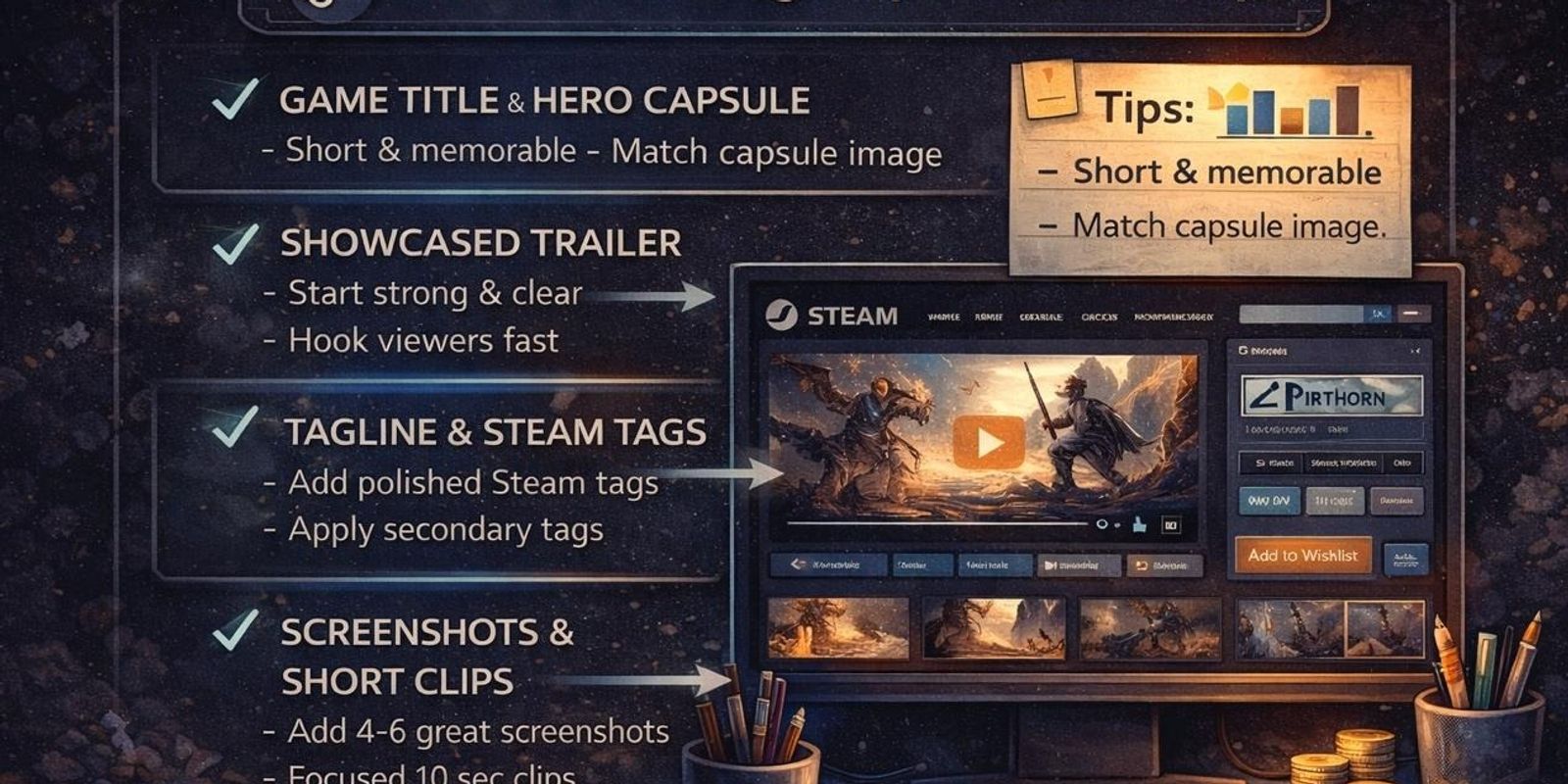
Optimized store pages act as conversion tools. High-impact trailers, storytelling screenshots, and value-driven descriptions are fundamental components of platform-based game marketing strategy.
Content Marketing Strategies
Content marketing brings players into the development journey. Devlogs, blogs, and behind-the-scenes updates foster transparency and emotional investment key elements of successful game content marketing. Asia Game Buzz frequently highlights how long-term content planning drives organic discovery through its Insights section.
Players who feel involved often become advocates, sharing updates and answering questions organically. This type of trust-driven visibility outperforms traditional promotion in competitive gaming industry marketing environments.
Influencer and YouTube Marketing
Influencers remain a cornerstone of modern video game marketing strategies. Their audiences trust authentic gameplay experiences more than paid ads. Strategic collaboration frameworks, such as those detailed in Powerful KOL Strategies for Boosting Game Visibility, show how alignment matters more than raw reach.
Choosing the right creators requires careful evaluation. Guides like How to Choose the Best KOL Marketing Agency for Your Game help studios avoid mismatches and maximize campaign ROI.
Paid Advertising Options
Paid advertising accelerates momentum when combined with organic growth. Platform-native ads amplify trailers, support launch windows, and retarget interested players. Asia Game Buzz explains how data-backed planning enhances paid campaigns within structured gaming industry marketing ecosystems.
Short gameplay clips, emotional storytelling, and clear calls to action consistently outperform generic ads especially when aligned with regional trends such as those outlined in the Top 10 China Gaming Trends for 2025.
Community Building and Engagement
Community marketing for games is a long-term growth engine. Discord servers, live streams, and in-game events foster peer-to-peer interaction, which drives retention and advocacy. Asia Game Buzz emphasizes this approach through its collaborative model outlined in How We Work.
When developers actively respond to feedback and spotlight community contributions, players become collaborators. This relationship transforms community spaces into scalable network marketing games environments powered by trust and shared ownership.
Pre-Launch Marketing Campaigns
Pre-launch marketing shapes perception long before release. Early access builds, betas, and influencer previews generate momentum and wishlist growth. Strategies like these are reinforced through Asia Game Buzz’s expertise as an indie game marketing agency.
This phase focuses on discovery rather than aggressive selling positioning the game as something worth watching, discussing, and anticipating.
Launch Day Marketing Tactics
Launch day should feel like an event. Coordinated livestreams, influencer coverage, and community watch parties amplify reach. Platforms such as Huya and DouYu play a major role in driving visibility, as explained in How to Boost Game Wishlists via Game Live Streaming Platforms.
Strong execution turns launch day into a content engine that fuels reviews, discussions, and social sharing far beyond release.
Post-Launch Marketing Strategies
Post-launch marketing focuses on retention. Updates, DLCs, and seasonal events keep communities engaged and invested. Sharing roadmaps and responding to feedback strengthens trust, a principle Asia Game Buzz reinforces through long-term partnership models highlighted in Our Partners.
This phase transforms games into living ecosystems central to sustainable video games marketing success.
Top Checklist for Video Game Marketing Success
A structured video game marketing strategy is measurable, scalable, and goal-driven. Asia Game Buzz outlines best practices through data-backed frameworks available in its official Asia Game Buzz PDF, helping studios align campaigns with long-term growth.
Key elements include audience targeting, platform optimization, influencer alignment, localization, performance tracking, and continuous iteration.
Final Thoughts
Learning how to market a video game means building genuine connections between players and experiences they care about. When branding, content, influencers, and community align, marketing becomes an ongoing dialogue not a one-time promotion. Asia Game Buzz’s team and philosophy, shared in Who We Are, reflect this collaborative approach.
Start early, adapt constantly, and listen closely. In today’s gaming industry, marketing is not a final step it is part of the creative process itself.