
Marketing is one of the biggest challenges indie developers face and one of the most misunderstood. Many teams spend years creating a great game, only to realize that quality alone does not guarantee success. Learning how to market an indie game is not about massive budgets or flashy ads; it is about planning early, understanding your audience, and building consistent visibility throughout your game’s lifecycle with support from platforms like Asia Game Buzz.
This guide provides a practical, step-by-step breakdown of indie game marketing strategies, with a strong focus on PC game marketing and Steam promotion methods that small teams can realistically execute, using insights from proven video games marketing research.
Why Marketing Matters for Indie Games
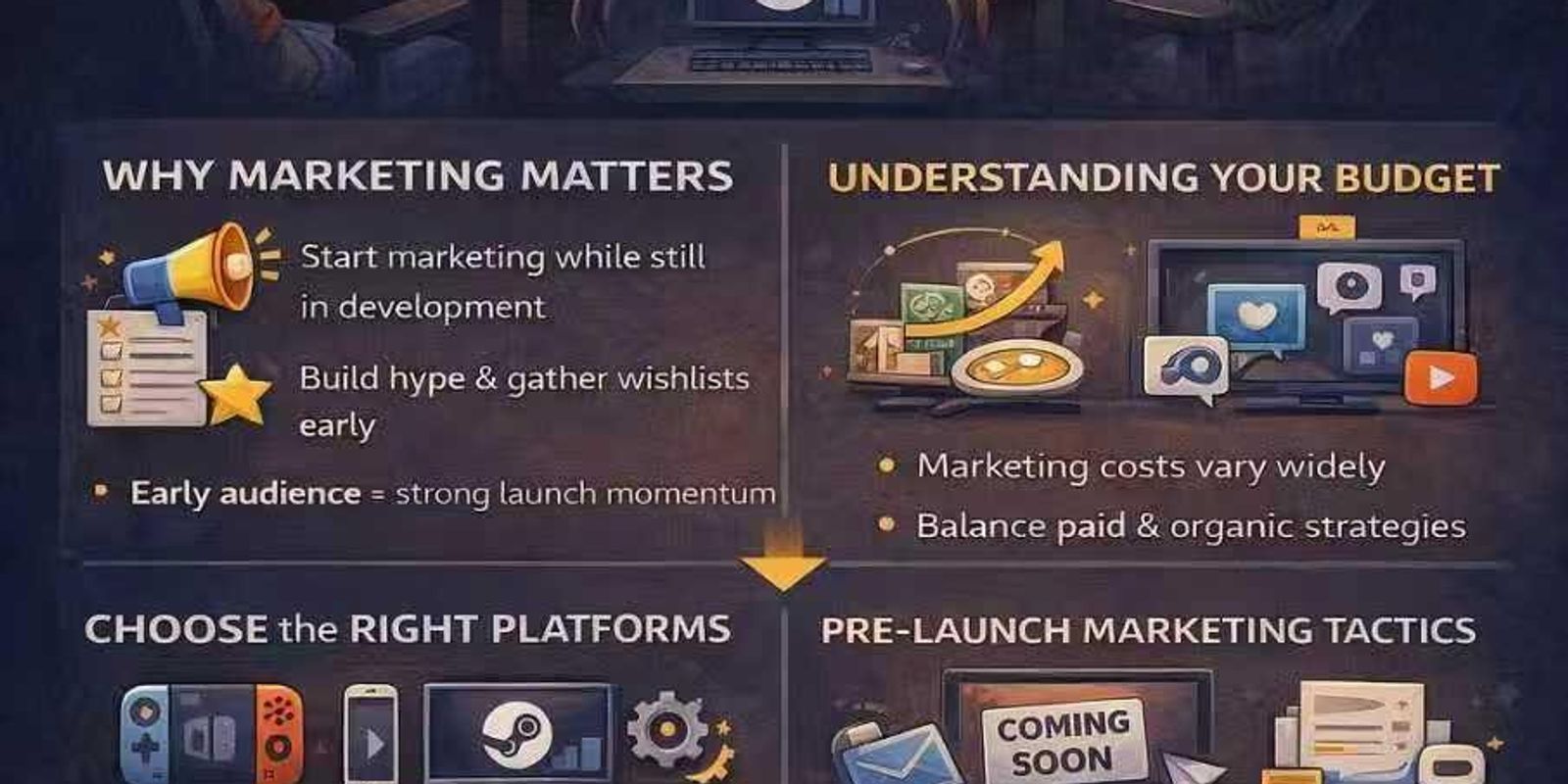
The Importance of Early Marketing
For indie developers, marketing should begin as soon as your game is playable or visually presentable. Early indie game marketing helps validate your concept, refine positioning, and attract an initial audience before launch especially when aligned with emerging trends highlighted in global game market insights.
Building Hype Before Launch
On PC platforms like Steam, visibility is driven by engagement signals such as wishlists, page visits, and community activity. Consistently sharing progress builds momentum and improves your chances of discovery. For developers asking how to promote a PC game, proven pre-launch tactics like live streaming and wishlist growth strategies such as those outlined in this Steam-focused guide deliver measurable impact.
Understanding Your Budget
How Much Does It Cost to Market an Indie Game?
A common question in video games marketing is cost. An indie game marketing budget can range from near-zero (organic, time-based efforts) to tens of thousands of dollars for PR services, ads, or influencer campaigns. Understanding cost benchmarks becomes easier when comparing structured approaches shared by experienced indie game marketing agencies.
Marketing Options vs Budget
Organic PC game marketing strategies include devlogs, social media updates, Discord communities, and Steam page optimization. Paid options such as ads or creator sponsorships can accelerate reach when paired with data-driven execution methods used in successful PC game promotions.
Paid vs Organic Strategies
For most indie PC games, a hybrid approach works best: focus on organic growth early, then use targeted paid promotion closer to launch when demand is proven mirroring best practices from step-by-step PC game promotion frameworks.
Choosing the Right Platforms
Choosing where to market your game is just as important as deciding how to market an indie game. Platform selection should align with player behavior, regional preferences, and genre trends, supported by audience research such as PC gamer behavior analysis.
Marketing an Indie Game on Switch
If you are exploring how to market an indie game on Switch, discovery relies heavily on platform features and external buzz. Many developers use a successful PC launch to build credibility before expanding to console markets, following market trend forecasts like China gaming trends for 2025.
Marketing an Indie Mobile Game
Developers researching how to market an indie mobile game should note that mobile promotion is performance-driven, relying on paid user acquisition, app store optimization, and short-form content often supported by influencer ecosystems and social platforms such as HeyBox.
PC and Steam Promotion Strategies
For PC developers, Steam remains the most important channel. Your store page is your primary conversion tool. Clear trailers, compelling screenshots, and frequent updates directly impact visibility. Optimizing your Steam presence remains one of the best ways to market an indie game, especially when combined with proven PC game marketing strategies.
Social Media Platforms & Communities
Focus on platforms where your audience already spends time: Twitter/X, TikTok, Reddit, Discord, and YouTube. Consistent posting and community interaction outperform one-off viral attempts, especially when aligned with KOL-driven visibility strategies outlined in powerful influencer frameworks.
Pre-Launch Marketing Tactics
Website and Landing Page Setup
A simple website or landing page improves credibility and supports PC game promotion by collecting email signups and directing traffic to your Steam page an approach used by studios featured in Asia Game Buzz’s marketing process.
Email Lists & Newsletters
Email remains one of the most reliable video games marketing tools. Early subscribers often become your most loyal players and advocates, reinforcing long-term engagement models used by successful indie partners.
Teasers, Trailers, and Screenshots
Share content regularly instead of all at once. Short gameplay clips, GIFs, and development updates often perform better than overly polished trailers released too early especially when guided by strategic content planning from professional game marketers.
Launch Marketing Strategies
Launch is when all your earlier efforts converge. A successful launch feels busy, coordinated, and visible across multiple channels at once, reflecting structured execution frameworks developed by experienced gaming marketing teams.
Press Releases & Gaming Blogs
Target relevant gaming blogs and niche media rather than broad outlets. Smaller publications often deliver better engagement for indie titles and are easier to access with focused indie game marketing strategies.
Influencer Marketing
Influencer campaigns are among the most effective PC game marketing methods. Choosing the right creators is critical, and resources like how to select the best KOL marketing agency help minimize risk.
Streaming and YouTube Exposure
Live streams and long-form gameplay videos create authentic visibility and social proof. Structured creator partnerships, as detailed in KOL strategy case studies, amplify launch-day reach.
Post-Launch Marketing
Marketing does not stop once your game is released. In many cases, post-launch efforts determine long-term success, especially when aligned with evolving PC game marketing trends.
Community Building & Social Media Engagement
After launch, community management becomes central to indie game promotion. Active engagement on Steam, Discord, and social platforms strengthens retention and lifetime value.
Updates, Patches, and DLC Promotions
Regular updates create new marketing beats and signal ongoing support, improving reviews and player confidence key drivers of sustained visibility.
Player Reviews & Testimonials
Highlighting genuine player feedback builds trust and reinforces credibility, especially for long-tail sales and regional expansion efforts.
Measuring Marketing Success
To improve results, track installs, engagement, retention, wishlist growth, and community activity. Built-in analytics from Steam, social platforms, and web tools provide enough data for most teams, as outlined in Asia Game Buzz’s strategic documentation.
Using data to refine your approach allows you to focus limited resources where they deliver the highest ROI.
Conclusion & Key Takeaways
Learning how to market an indie game is an ongoing process, not a one-time checklist. Successful indie game marketing combines early planning, consistent visibility, community engagement, and continuous optimization. You do not need a massive budget but you do need clarity, patience, and persistence.
By starting early, choosing the right platforms, and applying proven PC game marketing strategies, indie developers can dramatically improve discoverability and long-term success in an increasingly competitive market.